Point Of Sale Software - The Facts
Point of Sale Software : Modern Deal Terminals Enhance Sales And Inventory Management Efficiently
The History and Development of POS Systems
Envision a dynamic basic store in the late 1800s, where a cashier manages coins and scribbles numbers on paper journals. This scene marks the humble beginnings of what we now referred to as POS systems. The journey from manual sales register to sophisticated, digital options is a tale of innovation stimulated by necessity and opportunity.
From Mechanical Marvels to Digital Dynamo
Back in 1879, the very first mechanical sales register was developed. It was a loud, cumbersome gadget, however it presented the vital idea of tracking sales methodically. Ever wondered how such an easy machine led the way for the complex point of sale technologies we utilize today? It's a classic example of how modest innovations can spark revolutions.
Key Milestones in POS Advancement
- 1950s: Intro of electronic cash registers, quicker and more trusted than their mechanical predecessors.
- 1970s: The rise of barcode scanners changed stock and checkout procedures-- no more manual entry errors!
- 1980s: The arrival of computer-based POS systems permitted more complicated information management and reporting.
- 2000s: Integration of internet connectivity made it possible for cloud-based POS solutions, increasing flexibility and ease of access.
Why Does This Matter?
Consider your last shopping experience. Did you observe how rapidly and flawlessly your transaction was processed? That's the conclusion of over a century of technological developments. POS systems have actually progressed from easy mechanical devices into powerful, intelligent tools that not just handle transactions but also supply insights into consumer habits and service performance.
Evolution at a Look
| Age | Technology | Impact |
|---|---|---|
| 1879 | Mechanical Sales Register | Standard sales tracking, lowered theft |
| 1970s | Barcode Scanners | Automated stock, much faster checkout |
| 1980s | Electronic POS | Enhanced data management |
| 2000s | Cloud-based Systems | Remote gain access to, scalable options |
Has the advancement of POS technology merely equaled click here business requirements, or has it also shaped how commerce itself unfolds? The answer is a blend of both. Each leap forward has not only resolved existing difficulties however likewise opened brand-new possibilities, altering the really fabric of retail and hospitality industries.
Exploring the Diversity of POS Systems
Imagine strolling into a dynamic café where the barista effortlessly taps on a smooth tablet POS system, and your order is instantly queued. Contrast that with a standard store, where a large, legacy terminal still hums in the background. The variety in kinds of POS systems is not simply about hardware; it's a reflection of various functional approaches.
Which system fits your business like a glove? Let's break down the main categories, but beware: picking improperly can cause clunky workflows and lost earnings.
Primary POS System Classifications
| Type | Secret Features | Ideal For |
|---|---|---|
| Traditional POS | Dedicated hardware, offline ability | High-volume retail, restaurants with physical counters |
| Cloud-Based POS | Mobile gain access to, automatic updates, information sync | Startups, mobile vendors, multi-location services |
| Mobile POS | Smartphone/tablet integration, on-the-go sales | Pop-up stores, delivery services, small-scale vendors |
Why Not Simply Pick one of the most Popular?
Speed is king, especially during rush hours. A slow or overloaded system can trigger a domino effect of annoyed clients and personnel. Ever observed how a lagging POS terminal can turn a smooth deal into a traffic jam? That's a direct hit to consumer fulfillment and repeat business.
Professional tip: Constantly examine the deal volume your system should deal with. For circumstances, cloud-based services excel with real-time reporting, but if your internet fails, so does your checkout line. On the other hand, standard POS systems frequently work offline but can lack flexible features.
Customizing Your POS System
Don't underestimate the power of modularity. Some systems permit combinations with inventory management, loyalty programs, or perhaps AI-driven analytics. Such features can transform your POS from a simple sales register into the nerve center of your service.
- Assess your everyday deal peak and average.
- Identify if mobility is vital for your operations.
- Check compatibility with existing organization tools.
- Ensure the interface matches your personnel's tech comfort level.
In the end, the right POS system isn't simply a tool-- it's an extension of your service strategy, capable of accelerating growth or, if mismatched, silently dragging you down.
Vital Elements That Drive Efficiency
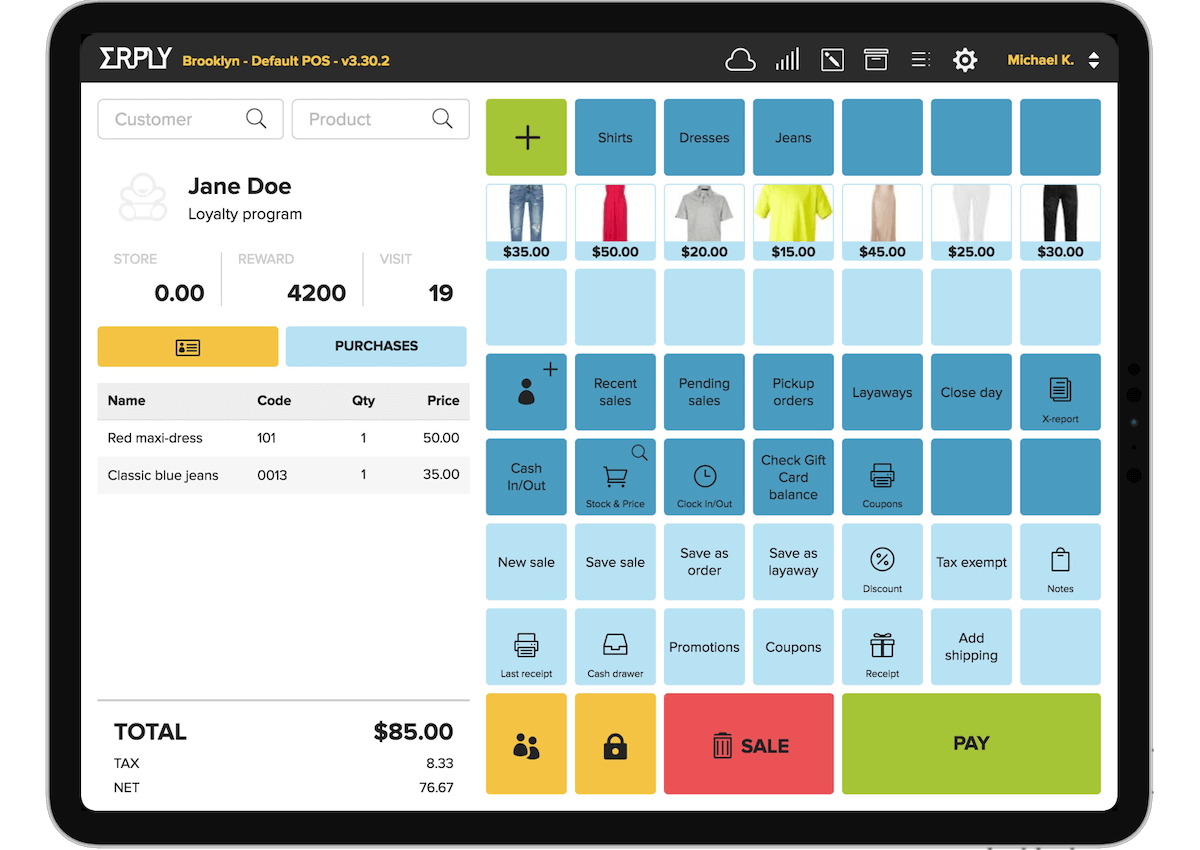
Ever questioned why some POS systems seem to breeze through deals while others crawl? The secret lies in their core parts. A robust system combines both hardware and software to create a smooth experience. Think of a busy café where the distinction in between a slow, cumbersome register and a lightning-fast touchscreen can make or break client satisfaction throughout the morning rush.
Hardware consists of:
- Touchscreen keeps track of that accelerate order entry by lowering clicks and typing mistakes.
- Invoice printers created to reduce paper jams and print promptly.
- Barcode scanners that eliminate manual entry, reducing human mistake.
- Cash drawers crafted for quick gain access to and security, sometimes with built-in sensing units.
Software: The Brain Behind the Operation
Software abilities typically go unnoticed up until they fail. The very best POS software integrates inventory management, sales reporting, and staff member scheduling into one platform. This merging suggests personnel aren't toggling between several systems, which can be a recipe for errors and wasted time.
Key software functions include:
- Real-time inventory tracking that informs you before stock runs alarmingly low.
- Customizable sales reports to identify patterns and pinpoint peak hours.
- Worker management tools that keep an eye on clock-ins and efficiency metrics.
- Protected payment processing supporting several methods including mobile wallets.
Little-Known Tips to Optimize Your POS System
Here's a nugget from the trenches: always configure your tax settings thoroughly. Neglecting local tax nuances can cause compliance headaches and pricey audits. Another expert trick is to take advantage of the system's client database to produce customized loyalty programs-- these subtle touches keep customers returning.
Which part of your POS setup could be silently draining performance? Frequently, it's the combination between hardware and software application that trips services up - POS Machine. Ensuring your elements communicate perfectly can change a frustrating checkout into a minute of delight
Applications in Numerous Industries
Imagine a dining establishment bustling with orders flying in every minute-- without a robust POS system, chaos would reign supreme. The secret weapon? Real-time inventory tracking that cuts waste and increases profitability. It's not simply about swiping cards; it's about managing a detailed dance of orders, kitchen workflow, and customer complete satisfaction.
In retail, the landscape is similarly demanding. Ever seen a cashier scramble to discover an item or by hand calculate discount rates? A modern-day POS system gets rid of that, offering vibrant rates, client purchase history, and smooth stock management all in one place. This precision indicates less stockouts and better consumers walking away with precisely what they need.
Industries Benefitting from POS Combination
- Hospitality: Streamlined check-ins, simple bill splitting, and suggestion management.
- Health care: Patient billing combined with inventory for medical products.
- Retail: Real-time promotions, loyalty programs, and omnichannel sales tracking.
- Entertainment: Ticket sales, concessions, and product all synced effortlessly.
Specialist Tips for Maximizing POS Efficiency
- Tailor interface designs to match the specific workflow of your market; one size seldom fits all.
- Leverage integrated analytics to prepare for demand spikes-- believe vacations or unique occasions-- and change inventory accordingly.
- Utilize mobile POS terminals to minimize queue times and increase flooring protection.
Curiously, some organizations ignore the power of incorporating POS with their supply chain systems. This oversight often leads to surplus stock or unexpected shortages. Isn't it paradoxical that a tool created to simplify transactions can likewise serve as a tactical possession for stock forecasting? Appropriate use transforms a mere sales register into the nerve center of operational intelligence.